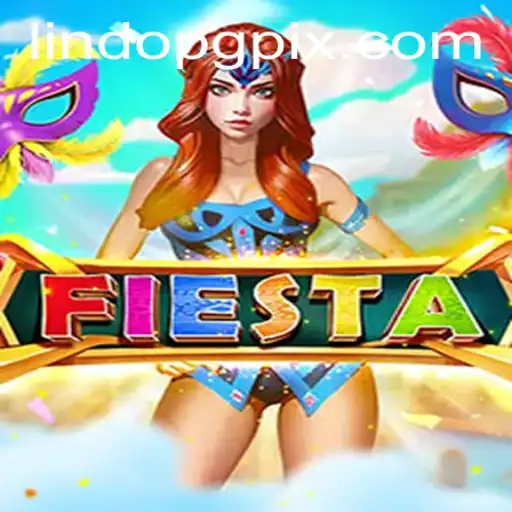
Fiesta: A Game of Celebration and Strategy
Explore the vibrant world of Fiesta, a strategic board game that combines elements of celebration and tactical play, perfect for social gatherings and family fun.


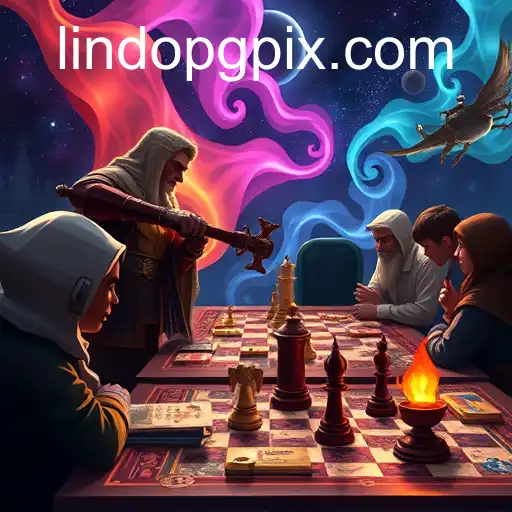
Tabletop games have long been a cornerstone of social entertainment, with a history that spans centuries. From ancient chessboards to the elaborate role-playing games of the late 20th century, these games have evolved tremendously. The rich history of tabletop games highlights their enduring appeal and the ever-evolving nature of play.
In the early days, games like chess and Go were typically associated with strategic thought and a display of intellectual prowess. Over time, these games gave way to more complex board games during the late 19th and early 20th centuries. The mass production of board games in the 20th century, such as Monopoly and Risk, helped solidify their place in popular culture.
The 21st century has ushered in a golden era for tabletop games, characterized by innovative designs and creative storytelling. Today, game designers are pushing boundaries by combining elements such as cooperative gameplay, legacy mechanics, and intricate narratives. These innovations have expanded the appeal of tabletop games beyond traditional audiences.
One of the most notable trends in modern tabletop gaming is the use of legacy mechanics, which provide players with a dynamic game experience that changes with each playthrough. These games often involve modifying components, such as writing on the board or using stickers, to alter the course of the game permanently.
Among the myriad of games and gaming communities, the keyword 'lindopg' emerges as a significant player. Though niche, lindopg represents a burgeoning subset of the tabletop gaming world, potentially a game or community that focuses on unique themes or mechanics. Enthusiasts in this micro-community are known for their passion and dedication to innovative play.
While mainstream tabletop games offer wide-reaching appeal, niche communities like lindopg highlight the diversity within the gaming industry. These communities provide a space for fans to connect, share strategies, and celebrate a shared love of gaming_details.
The most compelling aspect of tabletop games is their ability to foster social interaction. As people gather around a table, they engage in meaningful conversations and collaboration, building social bonds that extend beyond the game itself. Tabletop gaming encourages players to develop communication skills, teamwork, and problem-solving abilities.
The social dynamics of tabletop games also offer mental health benefits. Games serve as a stress relief, providing an escape from daily pressures. The collaborative nature of many games can help reduce feelings of loneliness and isolation, making tabletop gaming a powerful tool for improving mental well-being.
Looking ahead, the future of tabletop gaming appears bright. With continued innovation and growing accessibility, these games are poised to capture the imaginations of even larger audiences. Technological advancements, such as augmented reality (AR) and digital integrations, promise to add new layers of complexity and immersion.
Game designers are expected to continue exploring new themes, mechanics, and formats, ensuring that tabletop games remain relevant in an increasingly digital world. As communities like lindopg continue to thrive, they pave the way for the next generation of innovators and enthusiasts to explore the joys of analog gaming.
In conclusion, tabletop games are more than mere entertainment. They are a testament to human creativity, social interaction, and the enduring allure of play. As we turn our attention to new games and emergent communities, we celebrate the endless possibilities that the world of tabletop gaming has to offer.
If you're looking for a reliable, fully licensed, and secure sportsbook with a wide selection of games, lindopg is the perfect choice. We're committed to providing you with the best online betting experience, with premium quality, excellent service, and continuous innovation. Sign up now and receive ₱777 for free!
Join now
Get the latest information, experience and betting strategies from the expert team at lindopg.
Explore the vibrant world of Fiesta, a strategic board game that combines elements of celebration and tactical play, perfect for social gatherings and family fun.

Explore the captivating universe of ChristmasReachBonusBuy, a game that combines holiday spirit and strategic gameplay, set against the backdrop of current events.
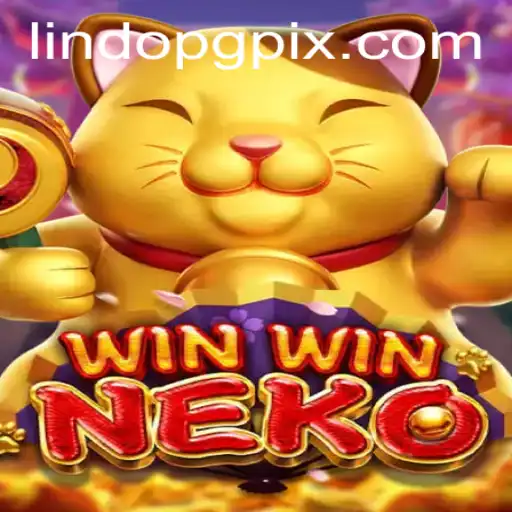
Discover the enchanting game of WinWinNeko, where strategy meets adorable feline companions and engaging gameplay.

Unveiling the enchanting world of Diamondtreasure, an immersive game that combines adventure, strategy, and treasure hunting with a unique twist.

Explore the unique aspects of the game 'Dungeon', including its introduction, gameplay dynamics, and how current events intertwine with its evolving narrative.
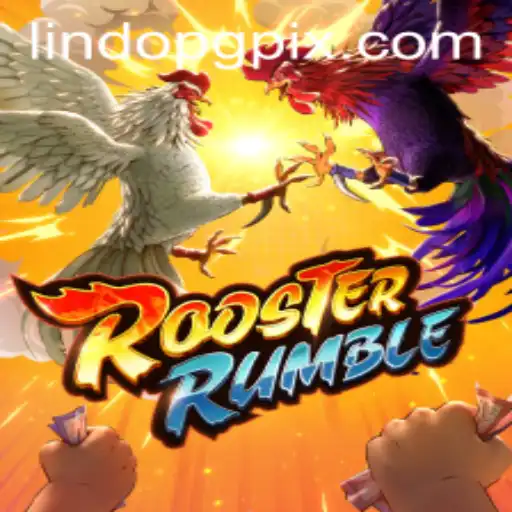
Explore the captivating world of RoosterRumble, delving into its gameplay, introduction, and rules.
 Join now